A reminder on gratitude, self-restraint and the blessing of food
Most of us don't set out to waste food. It just kind of happens.
We buy more than we need, forget what's sitting in the fridge, cook too much, or toss leftovers because it's easier than dealing with them later.
But in Islam, food isn't something to treat casually. It's rizq from Allah SWT. A blessing we're meant to receive with gratitude, use with care, and not squander through carelessness or excess.
So what do the Qur'an and Sunnah actually say about this? And how do we build better habits at home?
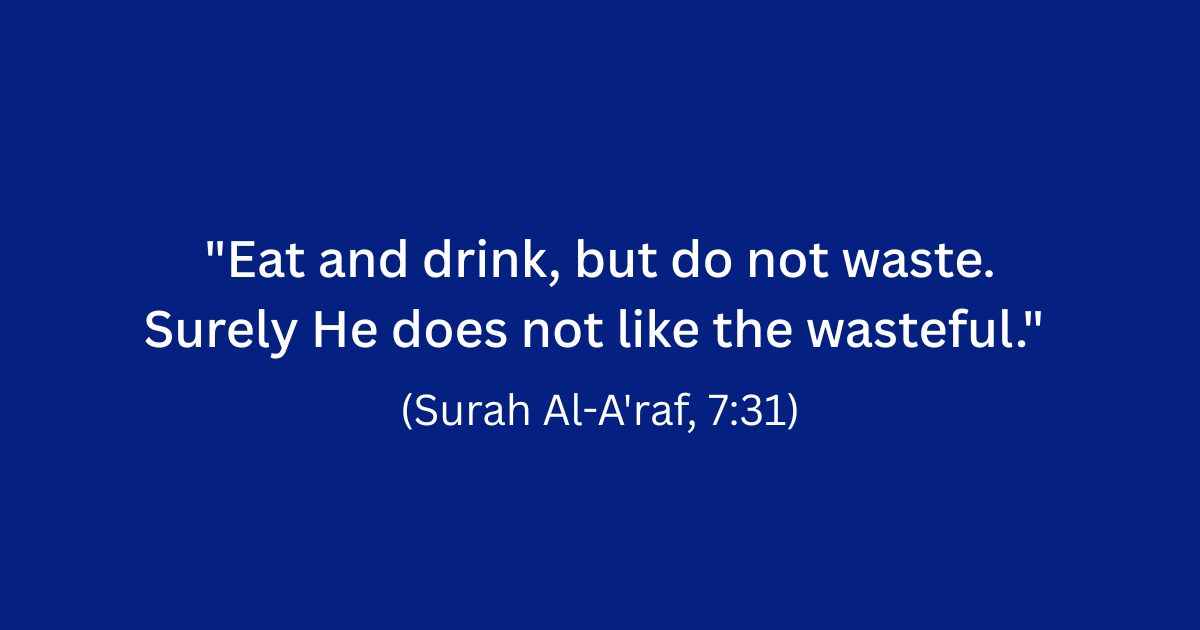
This ayah gives us a really balanced way to approach food. Islam isn't telling us to reject good things or feel guilty for enjoying what's halal. But enjoyment shouldn't tip over into excess.
And if we're honest, waste often starts long before food reaches the bin. It starts at the supermarket when we overbuy. It starts when we pile more onto a plate than we'll actually finish. It starts when we treat leftovers as an inconvenience rather than another meal. These habits creep in, and then just become normal.
This ayah is a nudge to slow down and be more conscious. Food is a blessing that deserves to be treated like one.
Wastefulness isn't a small matter
"Give to close relatives their due, as well as the poor and needy travellers. And do not spend wastefully. Surely the wasteful are like brothers to the devils. And the Devil is ever ungrateful to his Lord."(Surah Al-Isra, 17:26–27)
While these verses are about wastefulness broadly, they should make us think seriously about our food habits too.
This isn't about becoming extreme or making life harder than it needs to be. It's about being honest with ourselves. If food is regularly going off at home, if full plates keep going in the bin, or if we're buying things we know we won't use, that's worth addressing. A Muslim shouldn't be careless with blessings.
Real gratitude shows in how we treat food
Saying Alhamdulillah after a meal is important. But real gratitude isn't just something we express with words, it should show up in how we actually treat what Allah SWT has given us.
"If you are grateful, I will certainly give you more. But if you are ungrateful, surely My punishment is severe."(Surah Ibrahim, 14:7)
When meals are available every single day, it's easy to stop noticing them as blessings. We're not meant to feel guilty for having food but we are meant to recognise it properly.
And part of that recognition is being more thoughtful. Planning what we buy. Finishing what we take. Storing leftovers instead of forgetting them. Sharing what we can before it goes to waste. That’s what genuine gratitude can look like in practice.
Jabir رضي الله عنه reported that the Messenger of Allah ﷺ said:
"When any one of you drops a mouthful he should pick it up and remove any of the filth on it, and then eat it, and should not leave it for the Satan, and should not wipe his hand with a towel until he has licked his fingers, for he does not know in what portion of the food the blessing lies."(Sahih Muslim 2033b)
Here, the Prophet ﷺ wasn't just talking about a piece of food that fell, he was teaching us not to dismiss food as unimportant, even in small amounts.
That should make us think twice about what we scrape off a plate, what we leave forgotten at the back of the fridge, or what we throw away without really thinking about it.
The Prophet ﷺ never complained about food
Abu Hurairah رضي الله عنه narrated: "The Prophet ﷺ never criticised any food. If he liked it, he ate it; and if he disliked it, he left it."(Sahih al-Bukhari 5409)
There's something really beautiful about this. If he wanted it, he ate. If not, he left it. No complaints.
It's a reminder about how we speak about food too. We can be quick to complain, to dismiss what's in front of us, to forget that the same meal we're bored of is something another person might be genuinely hoping for today.
The Prophet ﷺ didn't have to love everything placed before him. But he treated it with humility. That's the standard he set.
Sharing food is one of the simplest solutions
We've all had that moment, extra food sitting at home, not quite sure what to do with it, and a few days later it's gone off.
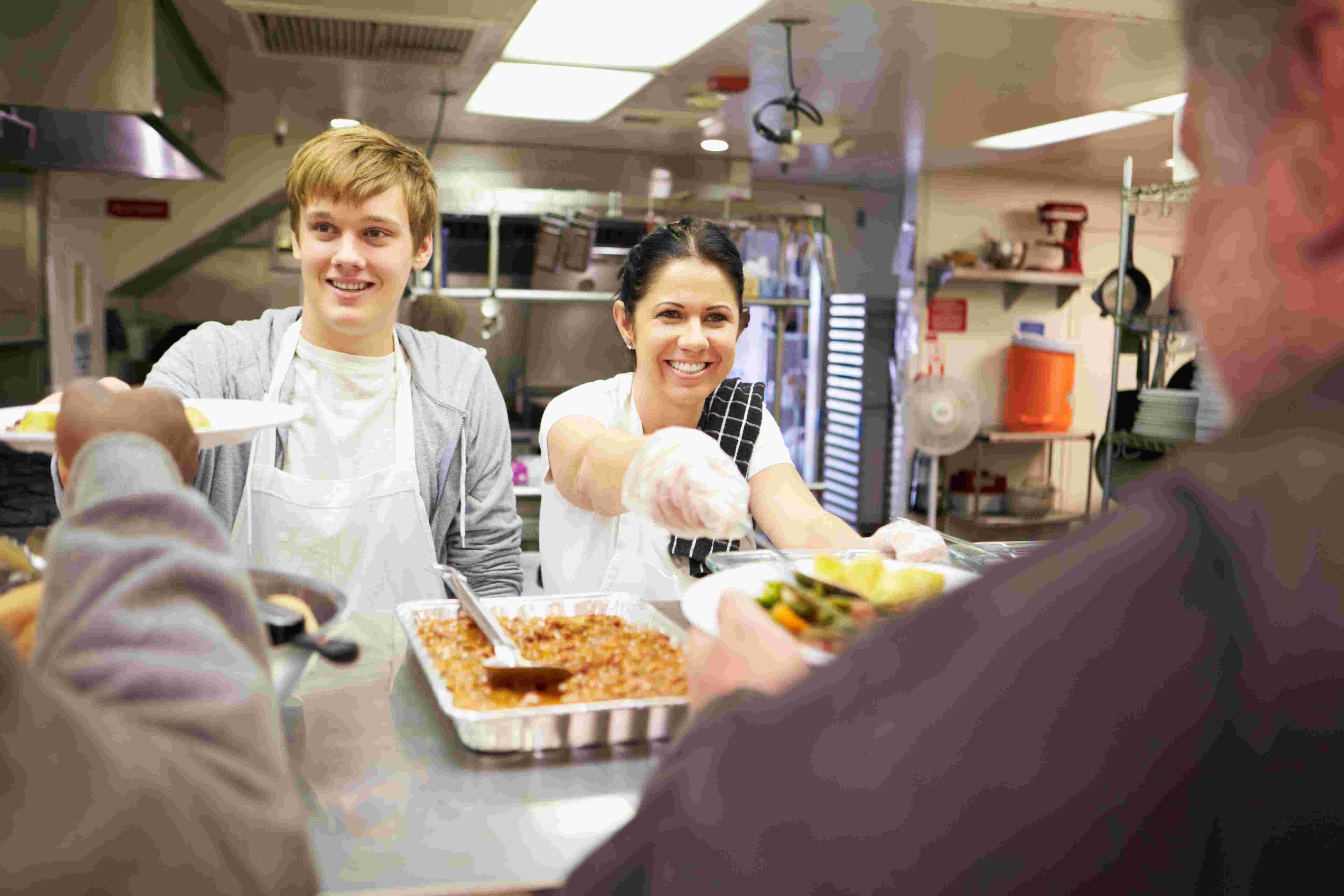
One useful way to avoid waste is to share usable extra food before it goes off. Family, neighbours, a guest, someone elderly nearby, a student, there's usually someone who could benefit.
The Prophet ﷺ said: "The food for two persons is sufficient for three, and the food of three persons is sufficient for four persons."(Sahih al-Bukhari 5392)
Wasting less food doesn't usually require big changes. It tends to come down to small habits done consistently.
Before you shop, check what you already have. Plan a couple of meals around whatever needs using first. Buy fresh things based on when you'll actually eat them, not just because they look good in the moment.
Store leftovers properly and use them before they're forgotten. If something won't be eaten in time, freeze it. Keep the fridge organised so things don't disappear at the back until it's too late.
It also helps to know the difference between "use by" and "best before". Some food is still perfectly fine after a best before date, while use by dates are the ones that relate to safety.
A simple leftovers meal once a week goes a long way too. Soups, wraps, fried rice, curries - they're all easy ways to use up what's already there. And when there's genuinely more than your household needs, think about who nearby might want it.
Treating food as the blessing it is
Islam encourages us to enjoy what Allah SWT has provided. But not carelessly.
Food is rizq. It deserves gratitude, restraint and a little thought. The Qur'an warns against wastefulness. The Sunnah teaches us to value even small amounts. And the Prophet ﷺ modelled humility every time food was placed in front of him.
Not every bit of waste is intentional - life happens. But when it becomes a habit, it's worth taking seriously. A Muslim should try to treat food as a blessing from Allah SWT, not as something disposable.
Help provide food to someone in need
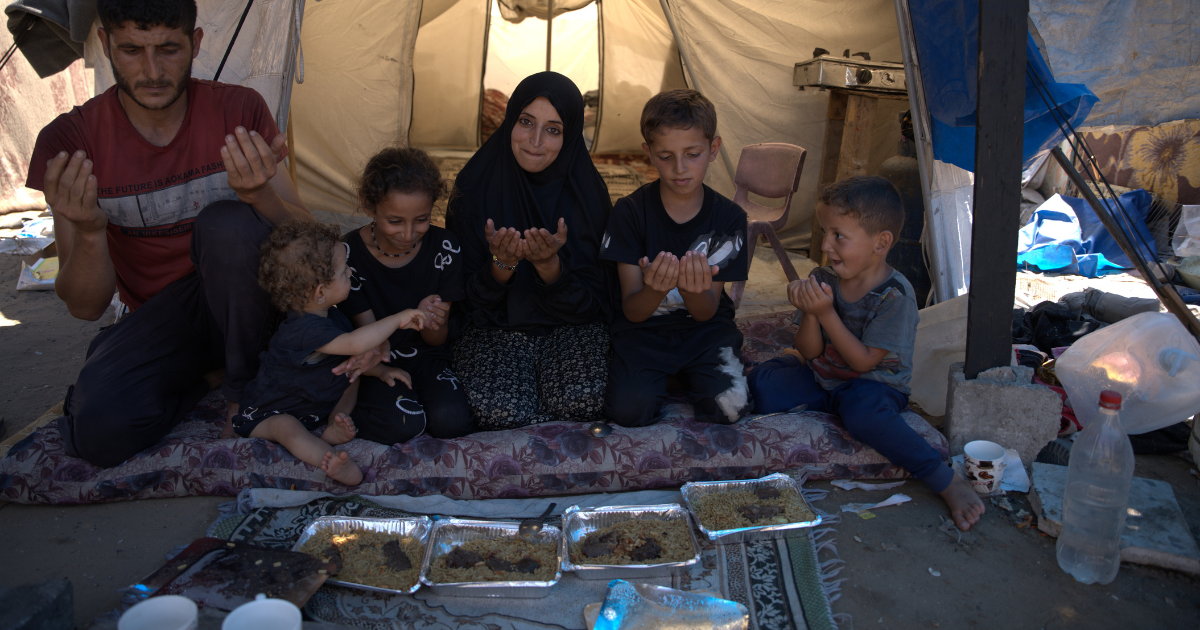
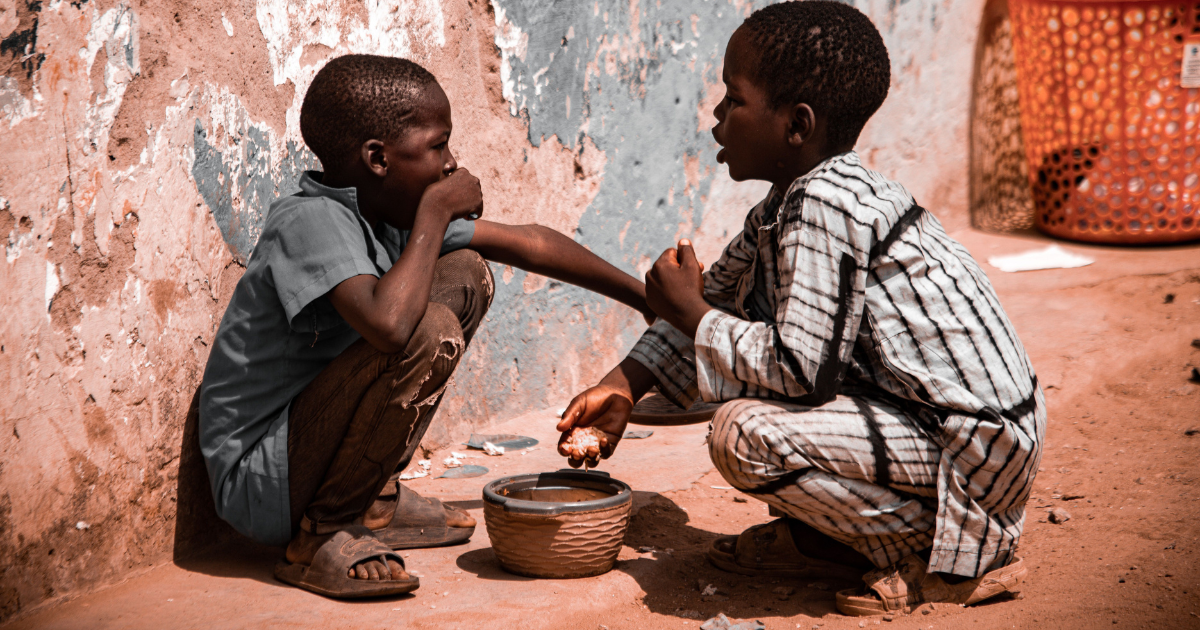
As we remind ourselves not to waste what Allah SWT has given us, it's worth remembering those who don't have enough to begin with.
At Charity Meals, your support helps provide hot meals and food support to vulnerable families and communities facing hunger around the world.